
A healthy smile is more than just an attractive feature—it is a sign of good overall health. Dental health plays a crucial role in preventing oral diseases, maintaining confidence, and improving quality of life. Many people underestimate the importance of proper oral care until they experience problems such as tooth decay, gum disease, or bad breath.
Maintaining dental health does not require complicated routines or expensive treatments. With the right habits, proper nutrition, and regular dental checkups, you can keep your teeth and gums healthy for years.
In this comprehensive guide, we will explore everything you need to know about dental health, including the importance of oral hygiene, common dental problems, prevention tips, and the best practices for maintaining a bright smile.
Why Dental Health Is Important
Dental health is closely connected to your overall well-being. Your mouth is the entry point to your digestive and respiratory systems, meaning harmful bacteria can spread from your mouth to other parts of the body.
Poor oral hygiene can lead to several health issues, including infections and chronic diseases. Maintaining good dental hygiene helps prevent these problems and keeps your mouth healthy.
Healthy teeth also allow you to chew food properly, speak clearly, and maintain facial structure. Additionally, a clean and bright smile boosts self-confidence and improves social interactions.
Neglecting oral care can lead to pain, discomfort, and expensive dental treatments. Therefore, prioritizing dental health is essential for both physical health and emotional well-being.
Understanding the Structure of Teeth
To take proper care of your teeth, it helps to understand their structure.
Each tooth consists of several layers:
Enamel
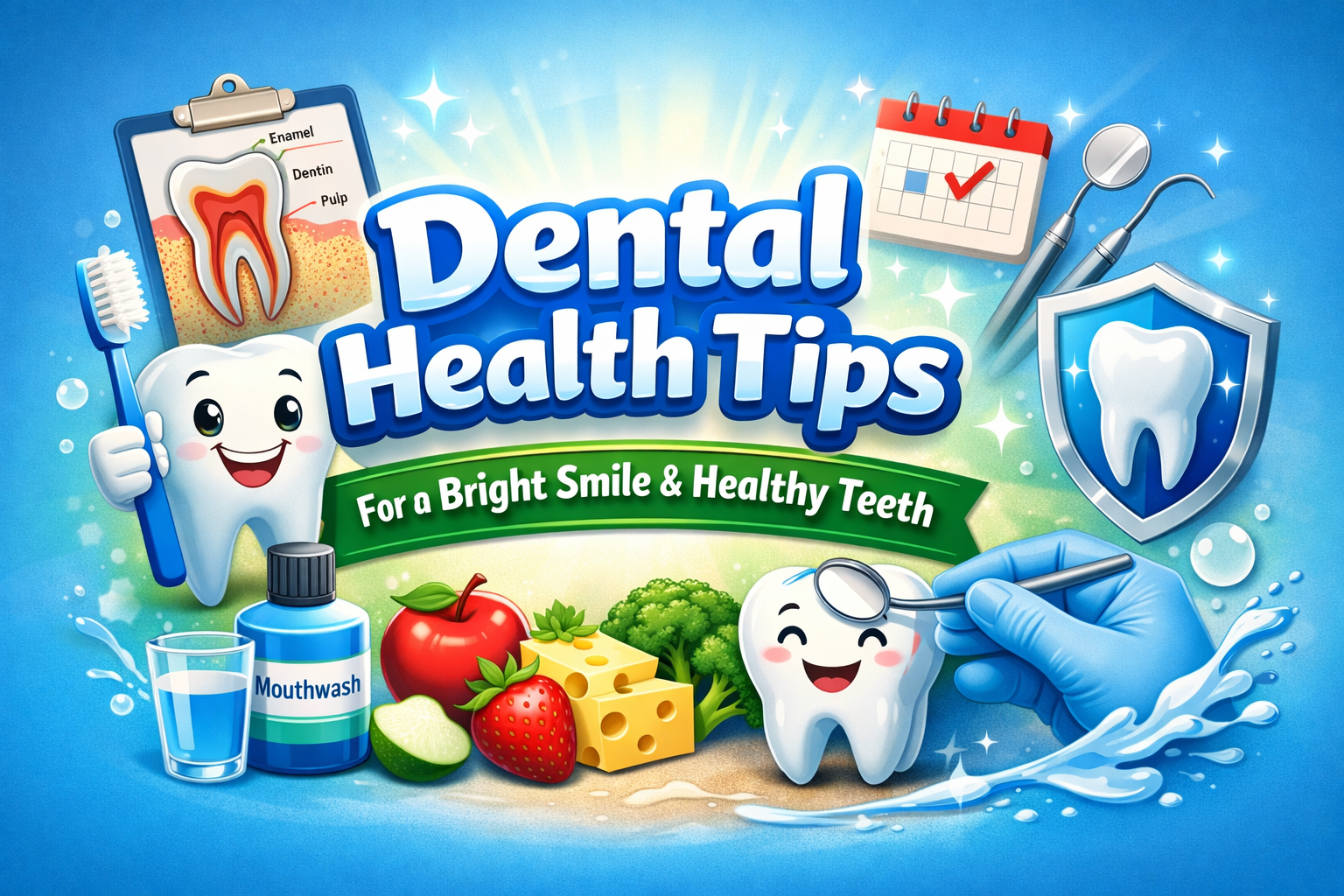
Enamel is the hard outer layer that protects teeth from damage and decay. It is the strongest substance in the human body, but it can still be damaged by acids and bacteria.
Dentin
Under the enamel lies dentin, which is softer and more sensitive. If enamel wears away, dentin becomes exposed, leading to tooth sensitivity.
Pulp
The pulp contains nerves and blood vessels that keep the tooth alive. Infection in the pulp can cause severe pain and may require root canal treatment.
Cementum
This layer covers the tooth root and helps anchor the tooth to the jawbone.
Understanding these parts helps you realize why proper oral hygiene is essential to protect your teeth.
Common Dental Problems
Many people experience dental issues at some point in their lives. The most common problems include:
1.Tooth Decay
Tooth decay, also known as cavities, occurs when bacteria produce acids that damage the enamel. Sugary foods and poor oral hygiene increase the risk of cavities.
Symptoms may include:
- Toothache
- Sensitivity to hot or cold foods
- Visible holes in teeth
- Pain when chewing
Early treatment can prevent further damage.
2. Gum Disease
Gum disease, also called periodontal disease, affects the tissues that support the teeth.
There are two main stages:
Gingivitis
The early stage causes red, swollen gums that bleed during brushing.
Periodontitis
If untreated, gingivitis can progress to periodontitis, leading to gum recession, bone loss, and tooth loss.
Good oral hygiene and professional cleaning help prevent gum disease.
3. Bad Breath
Bad breath, or halitosis, is often caused by bacteria in the mouth. Poor brushing habits, dry mouth, smoking, and certain foods can contribute to this problem.
Regular brushing, flossing, and drinking plenty of water can help eliminate bad breath.
4. Tooth Sensitivity
Sensitive teeth cause discomfort when consuming hot, cold, sweet, or acidic foods. This condition usually occurs when enamel wears down or gums recede.
Using a desensitizing toothpaste can reduce sensitivity.
5. Tooth Erosion
Tooth erosion happens when acids from food, drinks, or stomach acid wear away enamel. Frequent consumption of acidic beverages like soda can accelerate this process.
Preventing erosion involves reducing acidic foods and practicing proper dental care.
Daily Habits for Good Dental Health
Maintaining dental health requires consistent daily habits.
Brush Your Teeth Twice a Day
Brushing removes plaque, bacteria, and food particles from teeth. Dentists recommend brushing for at least two minutes using fluoride toothpaste.
Make sure to clean all surfaces of your teeth, including the back teeth and along the gum line.
Floss Daily
Flossing removes plaque and food particles from between teeth where toothbrushes cannot reach. Skipping flossing can lead to cavities and gum disease.
Daily flossing is essential for complete oral hygiene.
Use Mouthwash
Antibacterial mouthwash helps reduce bacteria and freshens breath. It also helps protect gums and prevent plaque buildup.
Choose alcohol-free mouthwash for better oral health.
Replace Your Toothbrush Regularly
A toothbrush loses effectiveness over time. Dentists recommend replacing your toothbrush every three to four months or sooner if the bristles become worn.
Using an old toothbrush may not clean teeth effectively.
Best Foods for Healthy Teeth
Your diet plays a significant role in dental health. Some foods help strengthen teeth and protect enamel.
Dairy Products
Milk, cheese, and yogurt are rich in calcium and phosphorus, which strengthen teeth and bones.
Crunchy Fruits and Vegetables
Apples, carrots, and celery stimulate saliva production, which helps wash away bacteria.
Leafy Greens
Spinach and kale contain essential vitamins and minerals that promote healthy gums and teeth.
Nuts and Seeds
Almonds, walnuts, and sesame seeds provide calcium and help strengthen enamel.
Water
Drinking water helps rinse away food particles and maintain saliva production.
Foods That Harm Dental Health
Certain foods increase the risk of tooth decay and other dental problems.
Sugary Foods
Candy, desserts, and sugary snacks feed bacteria that produce harmful acids.
Acidic Beverages
Soft drinks, sports drinks, and citrus juices can erode tooth enamel over time.
Sticky Foods
Sticky foods like caramel or dried fruit cling to teeth and are harder to remove.
Refined Carbohydrates
White bread, chips, and pasta break down into sugars that can damage teeth.
Limiting these foods can significantly improve dental health.
The Importance of Regular Dental Checkups
Visiting the dentist regularly is one of the most important steps for maintaining dental health.
Dentists can detect problems early before they become serious. Professional cleanings remove plaque and tartar that brushing cannot eliminate.
Most dental experts recommend visiting the dentist every six months.
During a dental visit, the dentist may:
- Examine teeth and gums
- Check for cavities
- Perform professional cleaning
- Take X-rays if necessary
- Provide oral health advice
Regular dental visits help prevent major dental issues and keep your smile healthy.
Dental Care for Children
Teaching children proper dental habits early helps prevent future problems.
Parents should encourage children to:
- Brush twice daily
- Use fluoride toothpaste
- Limit sugary snacks
- Visit the dentist regularly
Children should start dental visits by their first birthday. Early dental care ensures healthy teeth and proper development.
The Role of Fluoride in Dental Health
Fluoride is a natural mineral that strengthens enamel and prevents tooth decay.
It works by:
- Rebuilding weakened enamel
- Slowing the growth of harmful bacteria
- Reversing early stages of tooth decay
Fluoride can be found in toothpaste, mouthwash, and some drinking water supplies.
Using fluoride products regularly helps protect teeth from cavities.
Signs You Should Visit a Dentist Immediately
Some dental symptoms should never be ignored.
Seek dental care if you experience:
- Severe tooth pain
- Swollen or bleeding gums
- Loose teeth
- Persistent bad breath
- Sensitivity that worsens
- Mouth sores that do not heal
Early treatment prevents complications and protects your oral health.
Tips for a Brighter Smile
A healthy smile can enhance your confidence and appearance.
Here are some tips to keep your smile bright:
- Brush regularly with whitening toothpaste
- Avoid smoking or tobacco products
- Reduce coffee and tea consumption
- Drink water after meals
- Consider professional teeth cleaning
Healthy teeth naturally look brighter and more attractive.
The Connection Between Oral Health and Overall Health
Research shows that oral health is closely linked to overall health.
Poor dental hygiene has been associated with several medical conditions, including:
- Heart disease
- Diabetes
- Respiratory infections
- Pregnancy complications
Bacteria from gum disease can enter the bloodstream and affect other organs. Maintaining good dental health helps protect your entire body.
Final Thoughts
Dental health is an essential part of overall wellness. Taking care of your teeth and gums not only prevents oral problems but also improves your quality of life.
Simple habits such as brushing twice a day, flossing, eating a healthy diet, and visiting the dentist regularly can make a significant difference.
A healthy smile reflects a healthy body. By prioritizing dental care today, you can protect your teeth and enjoy a confident smile for years to come.